
Challenge from Our Bishop

Back in the May 2026 Diocesan Newsletter — Grace Happens, Bishop Ketlen encouraged congregations to make communal prayer a bigger priority in our parishes — with a specific request. She suggested a simple way to engage with the scripture using an old, old, tried and true and method of praying the scripture that dates back to the early church.
| Shared Diocesan Lectio Divina for May, 2026 |
 Scripture: Do not remember the former things or consider the things of old. I am about to do a new thing; now it springs forth; do you not perceive it? I will make a way in the wilderness and rivers in the desert. ~Isaiah 43:18-19 NRSV Questions:Where do you see God doing something new in your life or the life of your congregation or community? What “things of old” might God be calling you or your congregation to leave behind? See the Bishop’s letter to the Diocese in the May Grace Happens |
Lectio Divina
Ledtio Divina is latin for “divine reading.” It stresses a paced, meditative way of reading and praying with the scripture that can yield insights, a greater sense of the presence of God, and an opportunity to listen for the wisdom of the Spirit. So much goodness from so little effort! And we don’t practice this more, why?
The Practice
While there are many similar approaches, here is one:
1. Lectio (Read)
Read your chosen passage very slowly, preferably out loud. Listen for a specific word or phrase that catches your attention or resonates in your heart. Do not analyze the text; simply receive it.
2. Meditatio (Meditate)
Read the passage a second time. Is there a word or phrase that stands out to you? Open up to wonder, asking God what he might be wanting you to know.
3. Oratio (Pray)
Read the text a third time. What thoughts, feelings, or memories does the passage bring up for you? What do you want to say to God about it? Have a conversation: listen and respond, listen and respond.
4. Contemplatio (Contemplate)
Read the passage once more. Let the scripture mingle with your spirit. Check in with yourself. How are you different than when you started?
Bishop Ketlen encourages us to start with a familiar passage from Isaiah
A New Thing at Emmanuel?

This past December, a pipe broke in the upstairs bathroom above the lounge. Thankfully, a parishioner stopped at the church and happened to see water on the floor. Upon investigation, she saw a lot of water had already come in the building and was still flowing down the steps and into the walls! This turned out to be a river in the desert that had sprung forth!
Our insurance was able to cover a good portion of the restoration. This would have been beyond our ability as a small congregation to afford to repair. Flooring, ceilings, lighting, bathrooms, walls, carpet, etc. etc. After weeks of many large fans drying everything out, the 6-months-long repairs began. As well as being congenial to work with, the crew did a careful and professional job of ushering in God’s plan of making all things new!
When God makes all things new, it is like a river in the dessert – an abundant supply of the water of the Spirit there to meet our needs – washing away the old and ushering in the new! Such newness in the physical space of a really old building is so refreshing! And it feels as if God is asking us to watch for the new thing he is doing because of it. Do we not yet perceive it?
So the real challenge is to practice Lectio Divina! To listen. Listening for what God may be preparing us for as a congregation given all this newness — or what he may be preparing for us. What may God have up his holy sleeve?
The Old and the New
The Mess

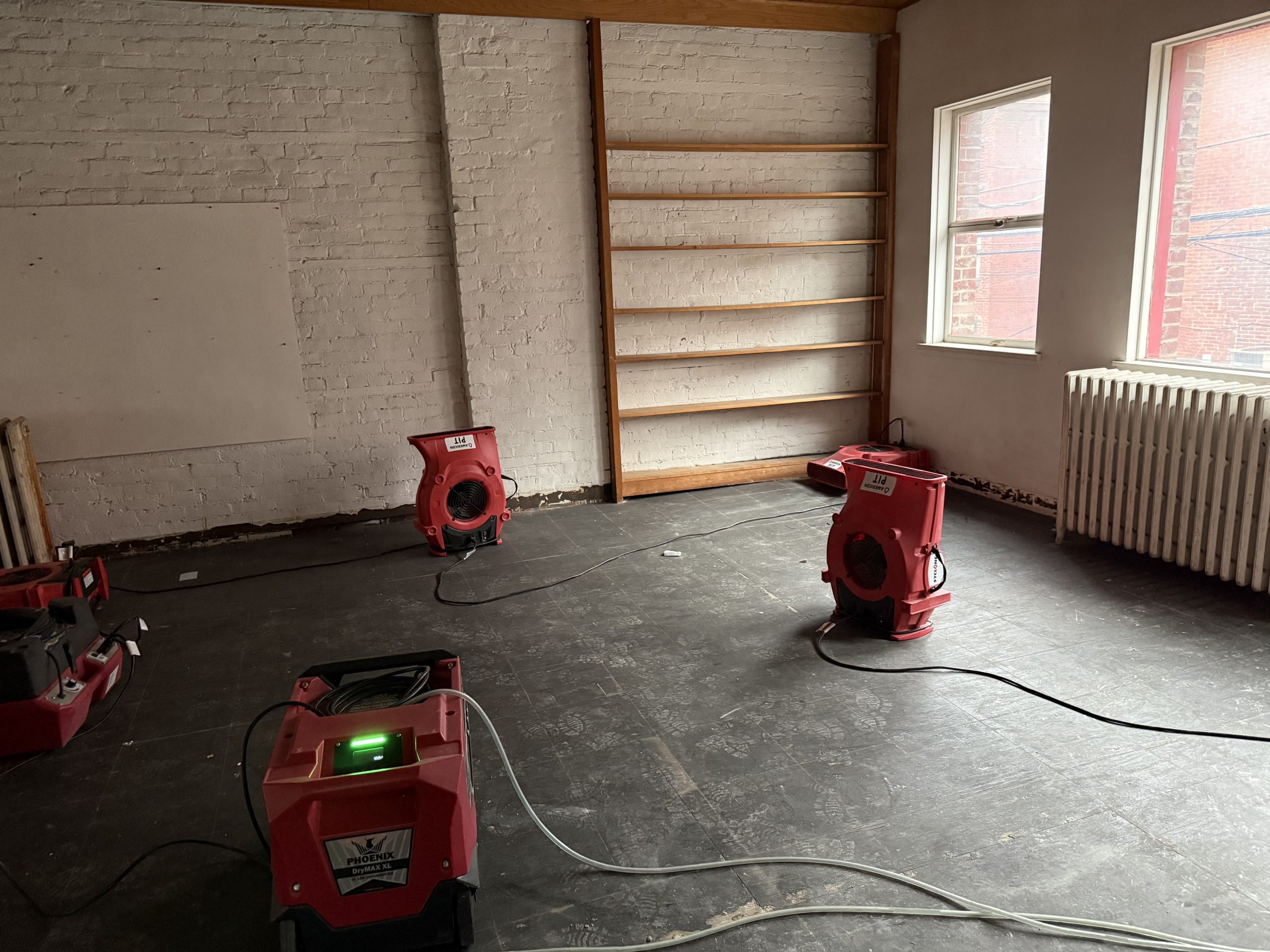

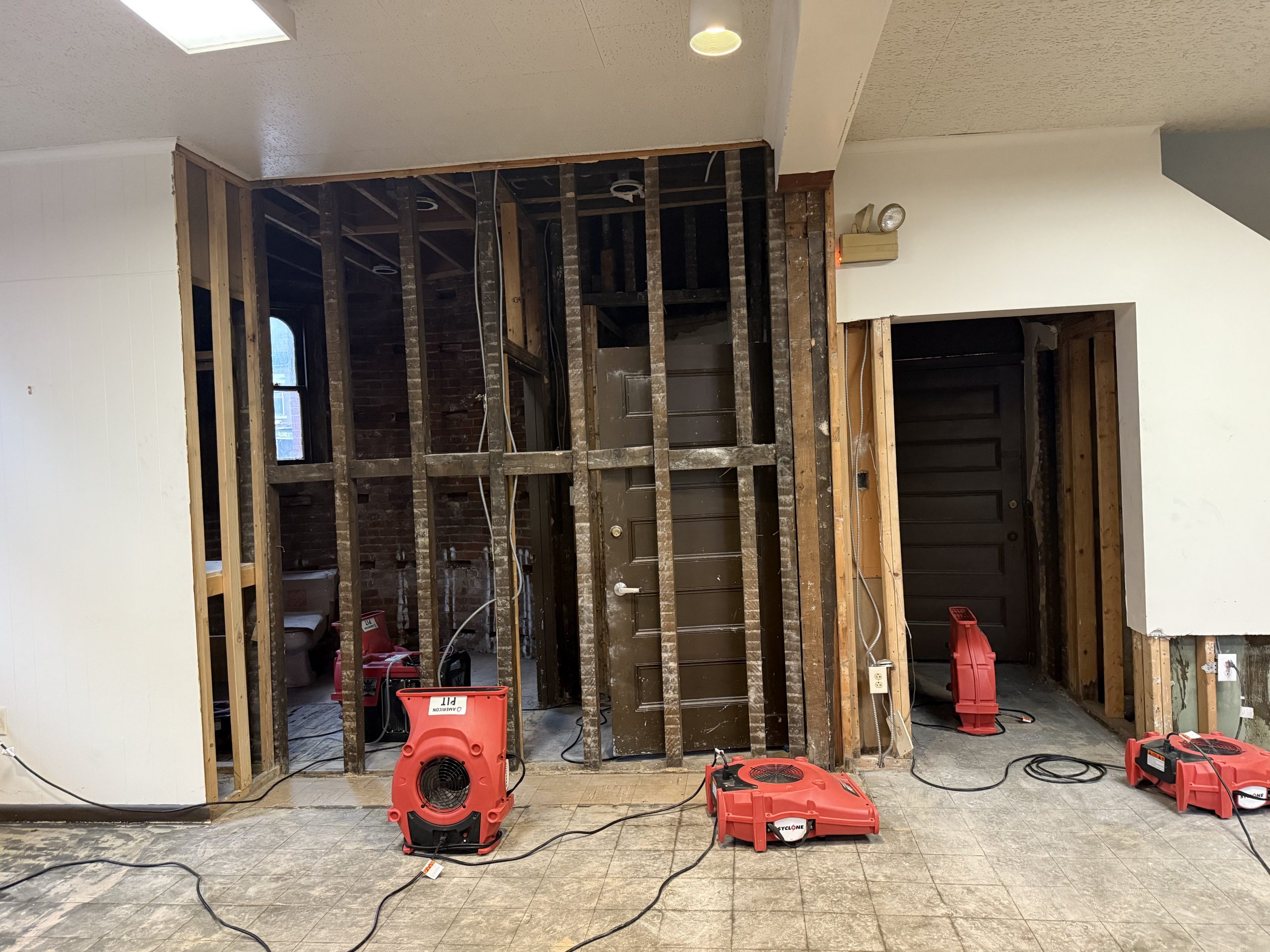
Still in Progress

The Challenge
So we sit with this scripture individually and as a holy people, pondering and waiting on God.
“Do not remember the former things or consider the things of old. I am about to do a new thing; now it springs forth; do you not perceive it? I will make a way in the wilderness and rivers in the desert.” Isaiah 43:18-19
What does he mean by not remembering the former things or things of old? Could it mean in part, at least that we can individually and corporately open up to a new identity? Letting go of limiting beliefs of who we think we are, what we think is possible, or how we see our mission? Opening up to something new is never easy. It can feel risky. What will be required of us if things change? The old is familiar, and comfortable even if uncomfortable. But God has something new! And his resources are unlimited!
As we listen with curiosity, with wonder and a sense of holy adventure, God will show us the way. May we stay as open, curious, and trusting as possible, listening for the wisdom to join him in his larger restorative work in our own little corner of planet earth, here on the Northside.
For I know the plans I have for you,” declares the Lord, “plans to prosper you and not to harm you, plans to give you hope and a future.” Jer. 29:11

See Lectio Divina: A Beginner’s Guide.
Click here for more information about Lectio Divina in a group setting.
Sign up for Grace Happens Newsletter